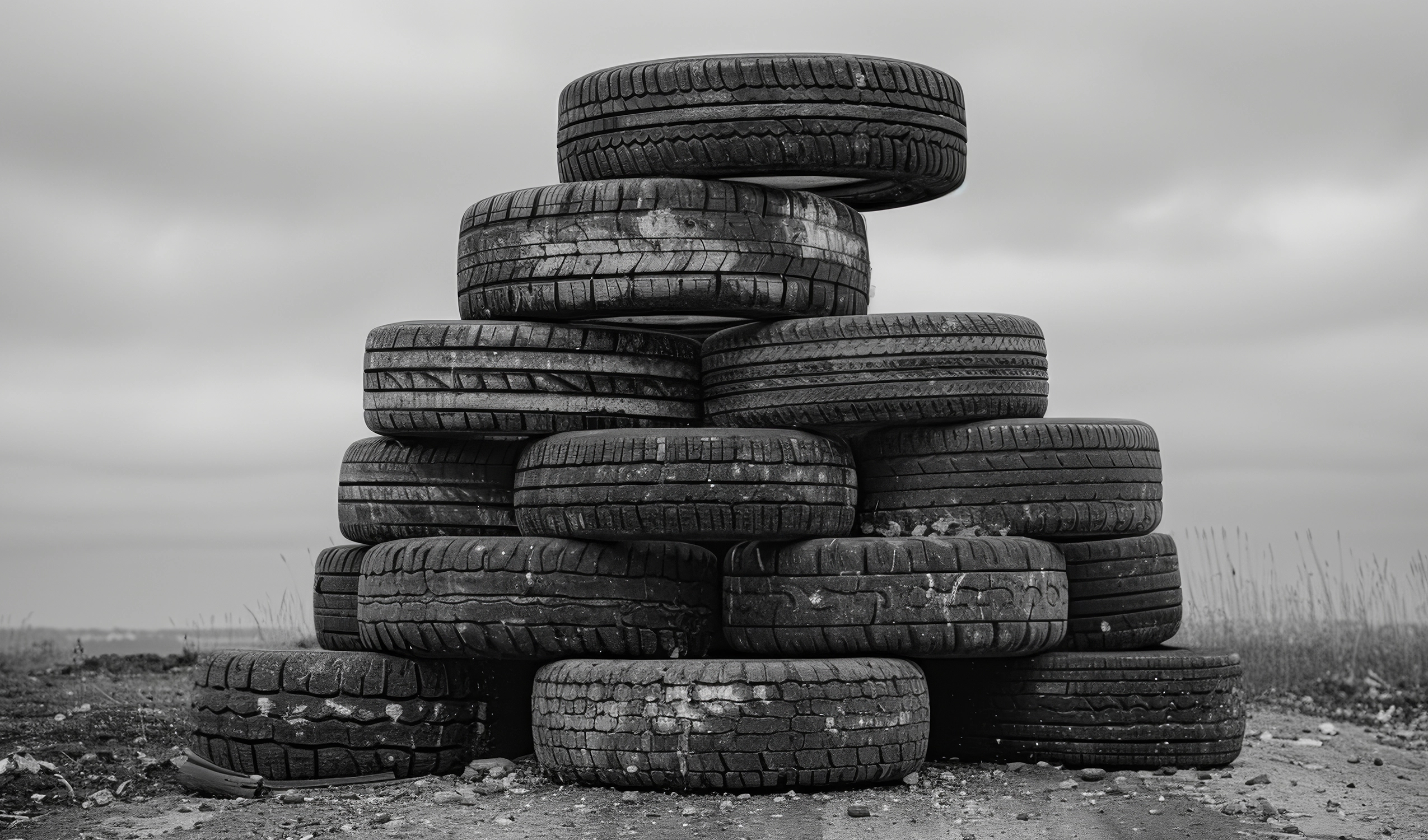
Used tires are previously owned tires that still have safe, usable tread and structural integrity. They are often sold as cost-effective alternatives to new tires — especially for drivers who need temporary replacements, spare tires, or budget-friendly options. At Ruben’s Tires, used tires undergo strict inspection to ensure they meet safety standards before installation.
What Do Used Tires Mean in Auto Repair?
In auto repair, used tires refer to lightly worn or partially used tires that still have sufficient tread depth, no internal damage, and no structural flaws. Many used tires come from lease returns, upgraded vehicles, trade-ins, or sets replaced early due to uneven wear.
A safe used tire must pass inspection for:
- Adequate tread depth
- No bulges or bubbles
- No exposed cords
- No patches in unsafe areas
- No dry rot or cracks
- Correct load index and speed rating
- Even wear pattern
- No rim-separation damage
Used tires can be an excellent value when they are carefully inspected by professionals.
Why Used Tires Matter for Budget & Safety
Used tires provide major financial benefits while still offering safe performance — when purchased from a reputable shop.
Benefits of high-quality used tires:
- Cost savings (up to 50–70% cheaper than new tires)
- Good temporary or short-term solution
- Environmentally friendly (reduces waste)
- Ideal for leased vehicles or upcoming trade-ins
- Suitable for vehicles with mismatched wear
However, choosing used tires from unreliable sellers can be risky. Hidden damage or improper repairs may compromise your vehicle’s safety.
How Ruben’s Tires Selects and Installs Used Tires
Ruben’s Tires follows strict safety standards when inspecting and selling used tires.
Our used tire inspection includes:
- Measuring exact tread depth
- Checking for internal and external damage
- Air-pressure testing for leaks
- Examining bead integrity
- Checking for proper load index and speed rating
- Verifying DOT manufacturing date
- Ensuring no sidewall plugs or unsafe patches
After inspection, we professionally install the tires, balance the wheels, reset TPMS, and check alignment conditions to ensure long-term performance.
Visit our Tire Replacement Services to browse high-quality used tires.
Related Terms You Should Know
- What Is Tire Inspection & Diagnostics?
- What Is Tire Tread Depth?
- What Is Tire Replacement?
Frequently Asked Questions
1. Are used tires safe to drive on?
Used tires can be safe — provided they undergo a thorough, professional inspection. Safe used tires must have ample tread depth, intact sidewalls, no bulges or cracks, and no prior unsafe repairs. At a reputable shop like Ruben’s Tires, every used tire is carefully checked for structural integrity, past damage, and proper tire specifications before it’s installed.
2. How much tread should a used tire have?
As a general guideline, a used tire should have at least 5/32″ of tread depth to remain safe and effective for typical driving. Tires with less than 4/32″ — especially in wet conditions — lose their ability to channel water effectively, increasing the risk of hydroplaning.
3. How long do used tires last?
The lifespan of a used tire depends heavily on how much tread and structural integrity remain when purchased, as well as how the vehicle is driven and maintained afterward. In many cases, a properly inspected used tire can deliver 20,000–40,000 miles of reliable service.
4. Are used tires worth it financially?
Yes — used tires represent substantial savings compared to new ones. They can cost significantly less — often 50–70% cheaper — which makes them especially appealing for budget-minded drivers, short-term needs, spare tires, or leased vehicles nearing the end of their term.
5. Can used tires pass inspection?
Yes — but only if they meet strict safety standards. A used tire should pass inspection criteria such as having adequate tread depth, no structural damage or repairs in critical areas, correct load index and speed rating for the vehicle, no rim‑separation damage, intact sidewalls, and even wear without sidewall bulges or exposed cords.
6. Do used tires need to be balanced?
Absolutely. Just like new tires, used tires must be balanced upon installation. Wheel balancing corrects weight imbalances in the tire‑wheel assembly and prevents vibration, uneven wear, and excessive strain on suspension components.
7. Is it safe to buy one used tire instead of a pair?
It can be — but only if the replacement tire matches the existing tire on the same axle in size, load rating, and tread pattern, and the existing tire still has sufficient tread and good structural condition. Mixing tires with significantly different tread depths, rubber compounds, or wear patterns can upset handling balance, braking performance, and traction.
8. What should I look for when buying used tires?
When evaluating used tires, check several critical factors: tread depth, sidewall condition, the date of manufacture (DOT code), evenness of wear, and the presence of visible damage such as cracks, bulges, or previous repairs. Avoid any tire that shows exposed cords, irregular wear patterns, patched sidewalls, or rim-separation signs.
9. Are used tires good for spare tires?
Yes, used tires can be an excellent option for use as spares — especially if they’re inspected, balanced, and in good condition. For a spare, you don’t need long-term tread life or perfect tread depth; you need reliability, safe structure, and enough tread to get you home or to a tire shop.
10. Why choose Ruben’s Tires for used tires?
Ruben’s Tires takes used tire sales seriously. We hand‑inspect every used tire for tread depth, structural integrity, sidewall condition, load‑rating compliance, and manufacturing age. Only tires that pass these rigorous checks are offered to customers. When installing, we ensure correct mounting, precise balancing, TPMS reset if needed, and proper torque on lug nuts.