
By Ruben, Ruben's Tires · Published November 28, 2026
You find a nail in your tire. The first question is always the same: can it be fixed, or do I need a new tire? Most of the time, a small hole in the tread can be repaired. But where the hole is, how big it is and how the repair is done decide whether that tire is safe for the rest of its life. Here is how it works, in plain English.
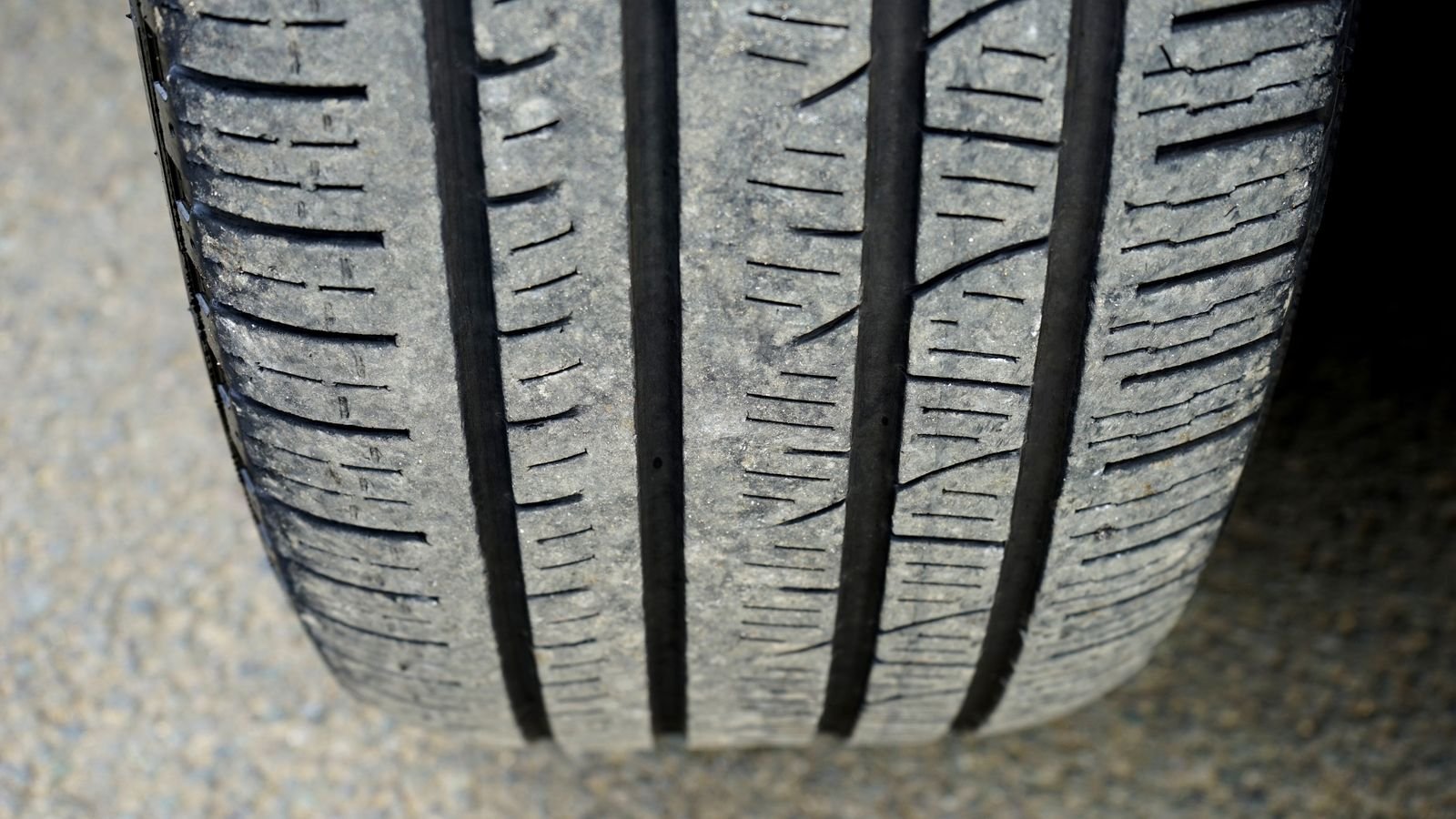
First: what to do when you find a nail
Leave it in. A nail or screw that is still in the tire is often plugging its own hole. Pulling it out can turn a slow leak into a flat.
Check the pressure. If the tire is holding air close to the number on your driver's door sticker, drive gently to a shop. Keep the trip short and the speed down.
Do not drive on it flat. Driving on a soft or flat tire crushes the sidewall from the inside. Even a short distance can damage it past repair, and a cheap repair becomes a new tire. If it is flat, put the spare on or call for a tow.
In Central Florida, hurricane season and big storms leave more nails, screws and debris on the road, so flats come in waves after a storm. If the pressure light on your dash comes on every few days, you probably have a slow leak worth finding before it becomes a flat at the wrong moment.
Can my tire be repaired? The rules
Tire makers and the tire industry, through guidance from the U.S. Tire Manufacturers Association, follow the same basic rules for a safe repair. A tire can usually be repaired when all of these are true:
The hole is in the tread. That is the middle part of the tire that touches the road. Not the shoulder, where the tread turns down, and never the sidewall.
The hole is small. Industry guidance limits a repair to a puncture of about 1/4 inch (6 mm) across. A nail or screw usually qualifies. A long cut or a tear does not.
The tire was not driven flat. If the inside of the tire shows rubbed or wrinkled rubber, the sidewall has been damaged and the tire has to be replaced.
There is tread left. A tire worn down to the wear bars, about 2/32 of an inch, is not worth repairing.
It does not overlap an old repair. Two repairs too close together are not safe.
Some tires have their own rules. Run-flat tires, for example, carry specific instructions from the tire maker, and some cannot be repaired at all. If you have run-flats, tell the shop before the work starts.
The sidewall rule
A hole in the sidewall, or right at the edge of the tread, cannot be repaired safely. That is not a shop being cautious. It is how a tire is built. The sidewall flexes every time the wheel turns, thousands of times a mile, and it has no steel belts under it to back up a repair. A patch there will not hold, and if it lets go, it lets go at speed. The same goes for any bulge or bubble on the sidewall: the inside is damaged, and that tire comes off.
Plug vs patch: what is the difference?
A plug is a sticky rubber cord pushed into the hole from the outside, without taking the tire off the wheel. It is fast, and plug kits are sold at every parts store. The problem is what nobody sees. A plug alone does not let anyone look inside the tire for damage, and it may not seal the inner lining of the tire completely. The tire industry does not treat a plug by itself as a proper repair. Think of a roadside plug as a way to get home or to a shop, not a fix for the life of the tire.
A patch is glued to the inside of the tire after the tire is taken off the wheel. That means someone can check the inside for hidden damage. But a patch on its own seals the inner lining without filling the hole itself, which can let water work its way into the tire through the hole.
A proper repair does both. Industry guidance calls for the tire to be taken off the wheel and checked inside, then the hole filled and the inner lining sealed with a patch, applied from the inside. Done that way, a repaired tire can go back to normal driving.
How we repair a flat at Ruben's Tires
Our flat repair is done from the inside. The tire comes off the wheel so we can check it, inside and out, before we decide anything. If the hole is in the tread and the tire is sound, we seal the hole from the inside, mount the tire, balance it and set the pressure to your door sticker. If the hole is in the sidewall or at the edge, or the tire was driven flat, we show you why it cannot be repaired. Then you get choices, new or used, and a price you approve before anything is done. A flat repair is usually the smallest bill in a tire shop.
When the tire cannot be saved
If the tire has to be replaced, you do not always need a full set. A checked used tire can match the other three, if it is the same size and close in tread. Many all-wheel-drive cars need all four tires to be close in tread, so tell us what you drive. Our used tires guide explains what to look for in a used tire.
Questions drivers ask
Can a nail hole be patched, or do I need a new tire?
A small hole in the tread can usually be repaired. A hole in the sidewall or right at the edge cannot be repaired safely, and that tire needs replacing.
Is a plug safe for highway driving?
A plug on its own is a way to get home or to a shop. The tire industry does not treat a plug by itself as a proper repair, because nobody checks the inside of the tire. A proper repair is done from the inside, with the tire off the wheel.
How long does a flat repair take?
A flat repair or a set of tires usually takes under an hour or two at our shops, depending on how busy the day is.
All four Ruben's Tires shops repair flats, 7 days a week, Sunday 9 AM to 4 PM. See everything we do with tires on our tire services page, or book a visit and bring the tire in.
Book a visit online Tire services
Or book with one shop: Apopka · Altamonte Springs · South Semoran · North Semoran. Prefer to call? Every shop number is at the bottom of this page.